Share this episode:
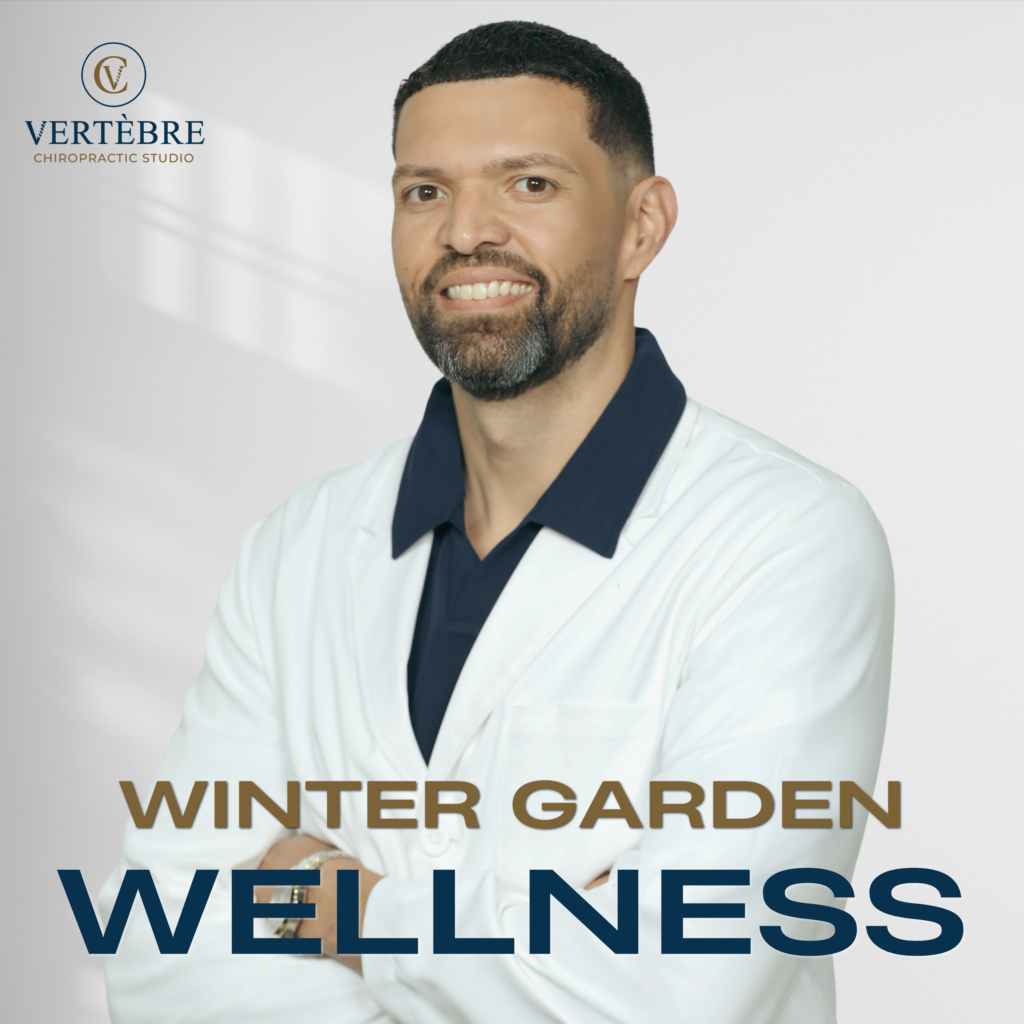
In this episode, Dr. Nandy Toro of Vertebre Chiropractic Studio in Winter Garden, Florida, dives into one of the most commonly misunderstood aspects of fitness: recovery time after exercise. She shares why skipping proper rest can lead to injury, burnout, and setbacks that bring patients through her door on a regular basis.
Whether you’re a weekend warrior or a dedicated athlete, understanding how your body heals and rebuilds is just as important as the workout itself. Dr. Toro breaks down what’s really happening in your body during recovery and what you can do to support that process.
Tune in for practical, straightforward advice from a chiropractor who sees the real-world consequences of overtraining every day in her clinic.
Hey there, and welcome back. I’m Doctor Nandy Toro, chiropractor here at Vertebre Chiropractic Studio in Winter Garden, Florida. Thanks for tuning in today — whether you’re driving around town, out for a walk, or just taking a few minutes for yourself, I’m really glad you’re here.
Today we’re talking about something that almost every active person gets wrong at some point — and honestly, I’ve seen it come through my door more times than I can count. We’re talking about recovery time after exercise. Why it matters, what happens when you skip it, and what you can actually do to help your body bounce back the right way.
So here’s the thing. We live in a culture that celebrates pushing hard. More reps, more miles, more intensity. And I love that people are out there moving their bodies — that’s wonderful. But here’s what a lot of folks don’t realize. The workout itself is actually the stress. The growth, the strength, the improvement — that all happens during recovery. If you’re not giving your body time to recover, you’re basically just breaking yourself down over and over without letting yourself rebuild.
Now let me break this down a little. When you exercise, you’re creating tiny amounts of stress on your muscles, your joints, your connective tissue. That’s normal and healthy. Your body responds by repairing those tissues and making them stronger. But that repair process takes time. We’re talking anywhere from twenty four to seventy two hours depending on the intensity of what you did and the individual person. When you jump back into hard training before that process is complete, you’re not building on top of strength — you’re stacking stress on top of damage.
And here’s what’s interesting — this is where I see a lot of people end up in my office. Not from one dramatic injury, but from what we call cumulative overload. A little tightness here, a little soreness there, and then one day they bend over to pick something up and their back goes out. It didn’t happen from that one movement. It happened because the body was already running on empty and just finally hit its limit.
Your spine is right in the middle of all of this. It absorbs force during exercise, it stabilizes your movements, and it houses your nervous system. When the muscles and soft tissues around your spine are fatigued and not fully recovered, your spine takes on more stress than it’s designed to handle. That’s when things start to go sideways.
So what can you actually do? A few simple things make a really big difference. First, sleep. I can’t say this enough. Deep sleep is when the majority of your tissue repair happens. Seven to nine hours is the general recommendation for active adults. If you’re shortchanging your sleep, you’re shortchanging your recovery — it’s that simple. Second, hydration and nutrition matter more than most people think. Your muscles need protein to rebuild and water to function properly. Don’t skip the basics. Third, give yourself at least one to two full rest days per week. And on those days, gentle movement like walking or stretching is totally fine — but let the hard stuff wait.
Now, when should you think about coming to see a chiropractor? If you’re noticing recurring soreness that doesn’t fully go away between workouts, if you’re dealing with tightness or stiffness that seems to be getting worse over time, or if you’ve had a recent flare-up that you’re trying to push through — please don’t just push through it. That’s usually your body waving a big red flag.
At Vertebre Chiropractic Studio, we work with a lot of active people right here in the Winter Garden area. And one of the things we focus on is helping your body move and recover the way it’s supposed to. Whether that’s through chiropractic adjustments, soft tissue work, or just talking through what your routine looks like — we’re here to help you stay in the game for the long run.
Recovery isn’t a sign of weakness. It’s actually one of the smartest things you can do for your health and your performance. Give your body the respect it deserves, and it will absolutely reward you for it.
Thanks so much for spending a few minutes with me today. If you have questions or you’d like to schedule a visit, reach out to us at Vertebre Chiropractic Studio in Winter Garden, Florida. We’d love to meet you. Until next time — take good care of yourself.

Highly recommended. I have had back pain on and off for two years now and the last year it has gotten more severe and constant. I had seen several healthcare providers about it and was essentially told it was just something I was going to have to live with. I had resigned myself with that and maintained a constant low level but functional amount of pain with exercise and stretching. Since starting treatment with Dr Toro it has gotten better on every visit and in the past couple of weeks I have gone long stretches without any pain at all. It has been wonderful. The experience is great, Dr Toro is a caring and wonderful Doctor, and I could not recommend this office enough.

Thank you Dr. T and staff! I highly recommend this place. I haven't felt this good in years.

I am glad that I found this place. Dr Toro is amazing, very knowledgeable about my condition. Back pain for years and in few visits my pain is gone. Thank you doc!

Love this place, what a caring and considerate chiropractor. Dr. Toro is thorough and one of the best chiropractors we have had. Pain has become less, clarity of mind is better and being able to move and feel better is such a blessing. I highly recommend Dr. Toro, you won't feel like a number, but like you and your health actually matter to him. Thank you Dr. T !!!!

I started seeing Dr. Toro because I was dealing with persistent hip pain that was making everyday activities uncomfortable. After a few visits, I noticed a huge difference. My pain has improved tremendously, and I’m moving much more comfortably than I was before. What I appreciate most is that he genuinely takes the time to listen and explain things instead of making you feel like just another patient. The office is welcoming, professional, and you can tell they truly care about helping people feel better. Highly recommend!!

Everyone was so friendly, helpful and insightful. Definitely coming back after having my first appointment.

Amazing place, very welcoming and knowledgeable. Feels great to be taken care of. Highly recommend

So happy to have found the ad online. One of the most friendly doctor's offices you could ever hope to go to! Very friendly and personable. They treat you like a friend from the moment you walk in until the moment you walk out. And yes...the doctor knows what he is doing and you will notice the difference from the first visit. Thank you all for what you are doing so well. May you all have manyb ears of success!

I couldn't be more impressed with my experience at Vertebre Chiropractic Studio in Winter Garden. From the moment I called to set up an appointment and walked into the office, the staff made me feel welcomed and cared for.<br><br>Dr. Toro's knowledge and techniques are exceptional. He took the time to thoroughly assess my condition, explained his approach clearly, and performed adjustments with precision and care. I came in with significant pain and discomfort in my hip and right leg, and after just one treatment, I experienced remarkable relief. I signed up for the membership and I am looking forward to continuing my healing journey with Dr. Toro.<br><br>The combination of skilled treatment, genuine care, and a welcoming environment makes this office stand out. I highly recommend Dr. Toro and the Vertebre Chiropractic Studio to anyone seeking quality chiropractic care.

I thoroughly enjoyed my first visit to Vertèbre. Dr. Toro was incredibly informative and gave me hope for my future wellness journey. The studio is modern, beautiful, and well-lit, and his staff was absolutely amazing. I’m truly looking forward to becoming a patient here!

I had a wonderful experience. The staff and doctor are truly kind and caring. They take their time to explain and show you the best care possible. I'm grateful for my experience .I will be coming to this chiropractor for future visits.<br><br>Tuve una experiencia tan linda y informativa.<br>El doctor y todos sus empleados son tan atentos y te hacen sentir bienvenidos con compasión y mucho amor. Es un placer poder ir a un doctor que toma su tiempo para explicarte bien lo que tienes y como poder ayudarte. Son muy razonables en sus precios y ententan ayudarte en lo más que puedan. Definitivamente recomiendo este lugar!

Amazing experience! So glad I came in. I’ve been to many different chiropractic offices and I’m glad to call this my new home!

I really enjoyed this chiropractor I am disabled I am in a wheelchair and they really was considered of my disability and was willing to help me in any and every way possible if I could recommend a chiropractor that takes into consideration what you want help with

Cannot recommend this clinic enough! Incredible staff, super welcoming and clean space. Dr. Toro is clearly well versed in helping you feel better. If you're dealing with back pain I highly highly suggest coming here!

My husband was in terrible pain on his lower back and after seeing the doctor for his lower back he left feeling great and can walk again with no sharp pain! Very knowledgeable doctor!

From the moment my husband began struggling with vertigo, it felt like we were stuck—doctors only offered Meclizine, which made it nearly impossible for him to work or even drive safely. On top of that, the ENT specialist had a long waitlist, leaving us searching for answers on our own.<br><br>After researching alternatives, I discovered the Epley Maneuver and decided to call Dr. Torro’s chiropractic office—and I’m so glad I did. They got my husband in the very same day, which already exceeded our expectations.<br><br>What happened next was nothing short of incredible. By just the second visit, my husband was feeling dramatically better—almost back to normal. It honestly felt unreal to see such a quick turnaround after everything we’d been through.<br><br>I am beyond grateful for the care, urgency, and effectiveness of the treatment we received. Thank you from the bottom of my heart ♥️

I have been to several different chiropractic therapies over the years. Dr. Toro has created a customized plan suited to my specific issues. Very knowledgeable and professional. Would highly recommend.

very good vibes, and amazing service. would recommend

I reached out to Dr. Nandy Toro's office to see if they could give my father an appointment for treatment for sciatica. I notified them my father had tried everything and nothing was helping the pain. Dr. Nandy Toro and his staff were so wonderful and booked him an appointment immediately and started working with my father to help him with his sciatica. They were so caring, helpful and professional. My father is doing so much better thanks to Dr. Nandy Toro. I highly recommend him and I am thankful for all he and his staff did for my father.

Quería dejar este review porque de verdad que tuve una muy buena experiencia.<br><br>Fui por los dolores de la fibromialgia y las molestias en las articulaciones…rodillas, caderas y espalda, que ya me tenían bastante incómoda en el día a día. También tenía mucha tensión en el cuello y no estaba descansando bien. Poco a poco he ido sintiendo mejoría: menos dolor, más movimiento y en general me siento mucho mejor.<br><br>El De.Toro es bien atento, escucha con calma y va trabajando contigo según cómo te vayas sintiendo, sin prisa. Eso se valora mucho.<br><br>De verdad lo recomiendo, especialmente si estás lidiando con dolores constantes y quieres algo que te ayude de verdad.

Honestly, I don’t usually write reviews, but I had to share this. I’ve been dealing with knee and hand pain for a while now, from playing sports back in the day, working as a mechanic, and now driving for hours every day. It all started adding up… stiffness, pain, especially after long days.<br><br>Ever since I started going to Dr. Toro, things have been getting way better. Less pain, more movement, and I’m not feeling as tight after sitting all day. I can actually get through the day without feeling beat up.<br><br>He’s easy to talk to, really listens, and works with you based on what you’ve got going on. That’s why I make sure to go every week now,it’s worth it!!<br><br>I definitely recommend checking him out.

Nandy Toro es el mejor quiropráctico, muy profesional y amable. Nueva oficina Vertebre Chiropractic Studio cuenta con tremendas facilidades en 13848 Tilden rd ste 148 Winter Garden, FL. Le recomiendo sus servicios a toda mi familia y amistades.

I had such a great experience from start to finish. From the moment I walked in, everything felt welcoming, organized, and professional. The staff was friendly and made the whole process smooth and stress-free.<br><br>Dr.Nandy Toro really took the time to listen, explain everything clearly, and made me feel comfortable every step of the way. I never felt rushed, and you can tell they genuinely care about their patients and their well-being.<br><br>Overall, it was an excellent experience, and I’m so glad I found them. I would absolutely recommend to anyone looking for quality care and a team that truly goes above and beyond.

I’ve had an excellent experience with Dr. Nandy Toro. From the moment I walked in, the staff was welcoming, professional, and genuinely cared about my well-being. Dr. Toro took the time to really listen to my concerns, explain everything clearly, and create a treatment plan that felt personalized to my needs.<br><br>After just a few visits, I noticed a significant improvement in my pain and mobility. The adjustments were effective and done with great care, and I always felt comfortable and confident in the treatment I was receiving. The office environment is clean, organized, and runs on time, which I really appreciate.<br><br>I highly recommend Dr. Nandy Toro to anyone looking for quality chiropractic care. You can tell they truly care about helping their patients feel better and live healthier lives. I’m definitely coming back.

If you’re looking for real results, I highly recommend Dr. Nandy Toro at Vertebre Quiropratic!<br>From the moment you walk in, you can tell you’re in expert hands. Dr. Nandy Toro is extremely knowledgeable, professional, and genuinely cares about your health and recovery not just a quick fix.<br><br>The service is top-notch, the attention to detail is unmatched, and you leave feeling a real difference. If you want quality chiropractic care you can trust, this is the place to go.


