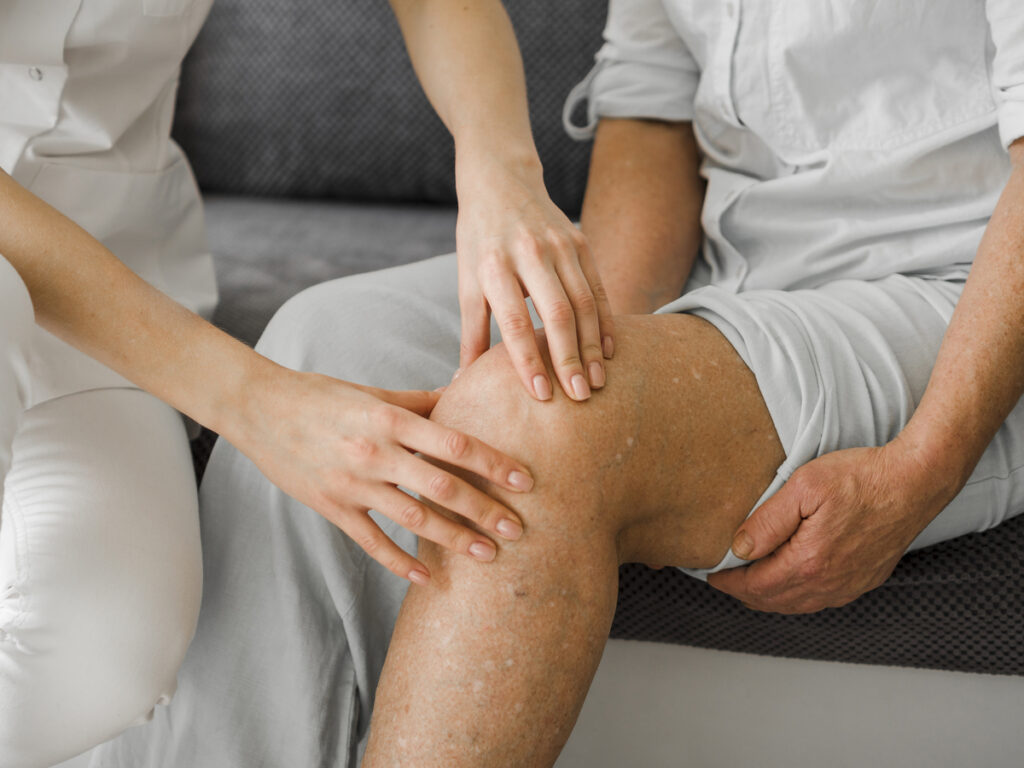
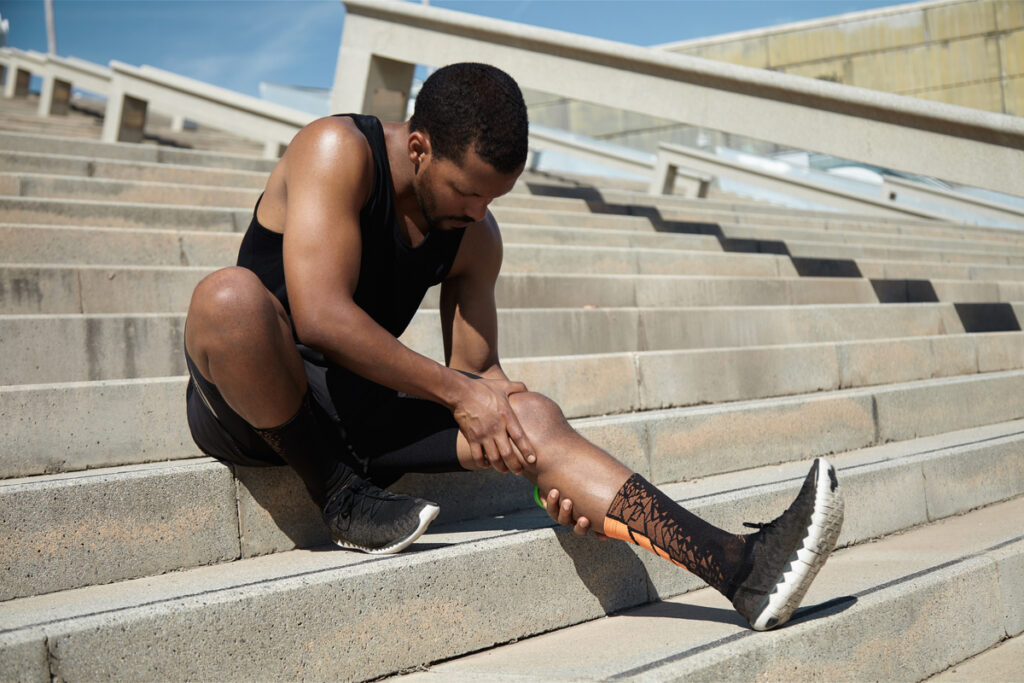

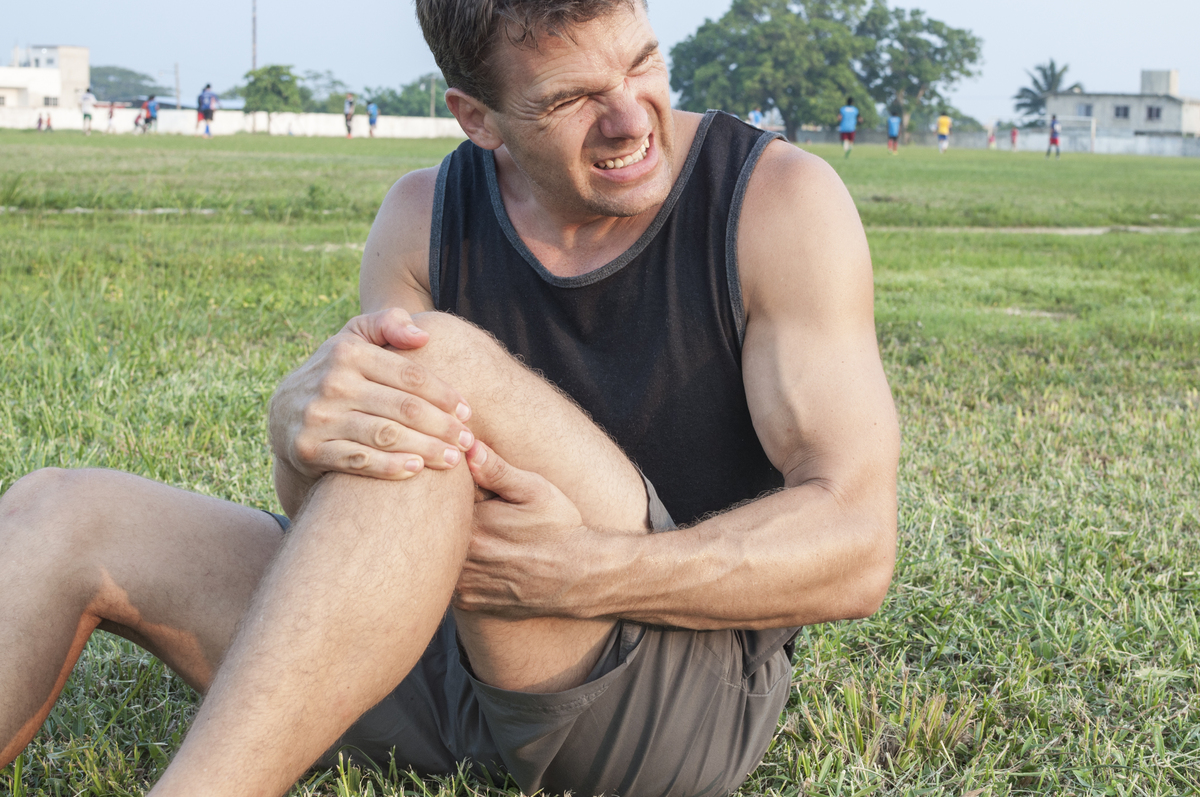
If you’re an active person in Winter Garden, FL, you’ve probably pushed through some leg pain at one point or another. Maybe it crept up after a long run around Lake Apopka, showed up mid-game on the soccer field, or hit you the morning after an intense training session. Leg pain is one of the most common complaints we see at Vertebre Chiropractic Studio — and for athletes, it can be especially frustrating because it gets in the way of doing what you love. The good news is that understanding why it happens is the first step toward preventing it for good.
What is athlete-related leg pain? Athlete-related leg pain refers to discomfort, tightness, soreness, or sharp sensations in the lower extremities — including the thighs, hamstrings, calves, shins, and knees — that result from physical activity, biomechanical imbalances, or overuse. It’s not a single condition but rather a broad category of issues that can range from minor muscle fatigue to more persistent structural problems.
Why Athletes in Winter Garden Struggle With Leg Pain
Winter Garden, FL is a wonderfully active community. Between the West Orange Trail, local sports leagues, youth athletics programs, and year-round warm weather that keeps people moving outdoors, this area attracts athletes of all kinds — from weekend warriors to competitive runners, cyclists, soccer players, and CrossFit enthusiasts. That constant activity is something to be celebrated. But it also means the risk of overuse injuries and leg pain is very real.
One factor that’s easy to overlook is the Florida heat. Training in high temperatures increases cardiovascular strain, accelerates dehydration, and contributes to faster muscle fatigue — all of which can set the stage for leg pain. Combine that with hard pavement, artificial turf fields, and repetitive training patterns, and you’ve got a recipe for the kinds of lower-body issues we regularly address at Vertebre Chiropractic Studio.
Another major factor is the year-round training cycle. In places with harsh winters, athletes naturally get forced rest periods. Here in Winter Garden, there’s no such built-in recovery time. That means many athletes are essentially training 12 months out of the year without building in adequate rest — and their legs pay the price for it over time.
Common Causes of Leg Pain in Active People
Leg pain in athletes doesn’t usually come out of nowhere. Most of the time, it’s the result of identifiable, addressable causes. At Vertebre Chiropractic Studio, Dr. Nandy Toro takes a whole-body approach when evaluating leg pain, because the root of the problem isn’t always where the pain is located.
Muscle Overuse and Strain
The most straightforward cause of athlete leg pain is simply doing too much, too fast. Muscles that are repeatedly loaded without adequate recovery time become strained and inflamed. This is especially common when athletes increase their training volume quickly — what coaches often call “too much, too soon.” The quadriceps, hamstrings, and calves are the most frequently affected muscle groups.
Spinal and Pelvic Misalignment
Here’s something many athletes don’t consider: leg pain often originates in the spine or pelvis, not the leg itself. When the lumbar spine or sacroiliac joints are misaligned, they can irritate or compress nerve roots that travel down into the legs. This is called referred pain, and it can manifest as aching, shooting, or burning sensations anywhere from the hip to the foot. Dr. Nandy Toro often identifies spinal contributors to leg pain that patients never knew existed.
Sciatic Nerve Irritation
Sciatica is one of the most common nerve-related conditions we see at Vertebre Chiropractic Studio. The sciatic nerve is the longest nerve in the body, running from the lower back through the buttocks and down each leg. When it becomes irritated or compressed — often due to a herniated disc or tight piriformis muscle — it can cause leg pain, numbness, or tingling that travels down one or both legs.
Shin Splints and Stress Reactions
Runners and multi-sport athletes in Winter Garden frequently deal with shin splints — a general term for pain along the inner edge of the shinbone (tibia). They’re caused by repetitive impact stress and are often worsened by poor footwear, running on hard surfaces, or sudden increases in training intensity.
IT Band Syndrome
The iliotibial band is a thick band of connective tissue that runs along the outside of the thigh from the hip to the knee. When it becomes tight or inflamed — typically from repetitive bending of the knee during running or cycling — it causes sharp lateral knee pain that worsens with activity. This is an extremely common condition among the cycling community along the West Orange Trail.
Poor Biomechanics and Gait Patterns
How you move matters enormously. Overpronation (rolling inward of the foot), leg length discrepancies, hip weakness, and improper running form all create uneven mechanical stress throughout the lower extremities. Over time, these patterns wear down joints, strain muscles, and lead to chronic leg pain that doesn’t resolve on its own.
Signs and Symptoms You Shouldn’t Ignore
Not all leg pain is created equal. Some soreness after a tough workout is completely normal — that’s your muscles adapting and getting stronger. But there are signs that something more significant may be going on, and those deserve attention sooner rather than later.
Pain that persists more than 3-5 days after activity, worsens over time, or interferes with your daily movement is worth evaluating. Numbness, tingling, or weakness that travels down the leg — especially into the foot — can indicate nerve involvement and should be assessed promptly. Swelling, redness, or warmth in one leg may signal a more serious vascular issue and warrants immediate medical attention. Pain that’s sharp, stabbing, or wakes you up at night is also a sign to seek professional evaluation.
At Vertebre Chiropractic Studio in Winter Garden, we encourage athletes not to simply push through persistent pain. Ignoring symptoms doesn’t make them go away — it usually makes them worse and extends recovery time.
How Chiropractic Care Fits Into Recovery and Prevention
Chiropractic care is a natural, non-invasive approach to musculoskeletal health that fits seamlessly into an athlete’s lifestyle. It doesn’t involve medications or surgery, and it’s designed to address the root causes of pain — not just the symptoms. Evidence from organizations like the American Chiropractic Association and the National Center for Complementary and Integrative Health (NCCIH) supports the role of chiropractic care in managing musculoskeletal conditions, including lower back and leg pain.
At Vertebre Chiropractic Studio, Dr. Nandy Toro takes a thorough, individualized approach to athlete care. Every assessment begins with understanding your specific sport, training habits, movement patterns, and pain history. From there, care is tailored to what your body actually needs — not a one-size-fits-all protocol.
Spinal Adjustments
Chiropractic adjustments are the cornerstone of care at our Winter Garden practice. When the lumbar spine or pelvis is misaligned, it creates nerve interference and mechanical stress that radiates into the legs. Targeted spinal adjustments restore proper alignment, reduce nerve irritation, and improve the way your body moves and functions as a whole.
Soft Tissue Work
Tight muscles and fascial restrictions are common contributors to leg pain in athletes. Dr. Nandy Toro may incorporate myofascial release or similar soft tissue techniques to address muscle tension in the hamstrings, calves, IT band, and hip flexors — areas that frequently contribute to lower extremity pain.
Movement Assessment and Correction
One of the most valuable things chiropractic care offers athletes is a trained eye for movement dysfunction. Identifying and correcting faulty movement patterns before they become injuries is one of the best things you can do for your long-term athletic performance and leg health.
Practical Tips to Prevent Leg Pain
Prevention is always more effective than treatment. If you’re an athlete here in Winter Garden who wants to stay pain-free and performing well, these practical habits can make a meaningful difference over time.
Warm Up Properly
A thorough warm-up prepares your muscles, joints, and nervous system for the demands of activity. Dynamic movements — like leg swings, hip circles, and walking lunges — are more effective at reducing injury risk than static stretching done cold.
Respect Recovery Time
Recovery isn’t a sign of weakness — it’s where adaptation actually happens. Make sure you’re building rest days into your training week, getting enough sleep, and allowing hard-worked muscle groups to recover before loading them again.
Wear Appropriate Footwear
Your shoes are your foundation. Wearing worn-out shoes, the wrong shoe for your sport, or footwear that doesn’t support your foot mechanics can contribute significantly to shin splints, knee pain, and other forms of leg pain. Replace athletic shoes regularly and consider a professional gait assessment if you have recurring issues.
Hydrate Consistently
In the Winter Garden heat, dehydration happens faster than most athletes realize. Even mild dehydration reduces muscle performance and increases cramping and fatigue — both of which contribute to leg pain. Hydrate before, during, and after training.
Strengthen Your Hips and Core
Weak hips and a poorly conditioned core force the legs to compensate during movement, creating the mechanical imbalances that lead to pain. Incorporating hip strengthening exercises — like glute bridges, clamshells, and lateral band walks — can dramatically reduce your injury risk over time.
When to See a Chiropractor About Leg Pain
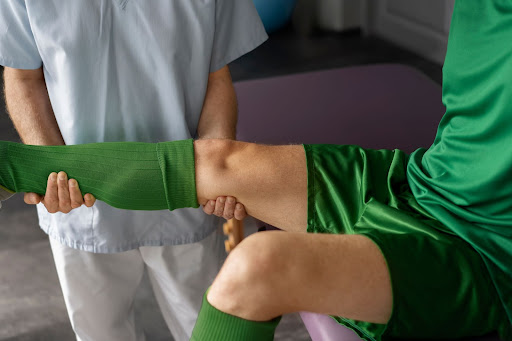
Many athletes wait too long before seeking care. If you’ve had leg pain that’s been lingering for more than a week or two without improvement, that’s a reasonable time to seek evaluation. You don’t need to be in crisis-level pain to benefit from chiropractic care — in fact, the earlier you address a developing problem, the easier it is to correct.
Consider scheduling a visit to Vertebre Chiropractic Studio if your leg pain is affecting your training, disrupting your sleep, or causing you to change the way you move. If you’re experiencing radiating pain, numbness, or tingling down your leg, those are clear signs that nerve involvement may be present and should be evaluated promptly by Dr. Nandy Toro.
There are also certain situations that require immediate medical attention rather than chiropractic care. Sudden, severe leg pain accompanied by swelling, redness, warmth, or shortness of breath may indicate a deep vein thrombosis (DVT) or other vascular emergency. In those cases, go to an emergency room without delay. Dr. Nandy Toro is always willing to refer patients appropriately when a condition falls outside the chiropractic scope of care.
Leg Pain Triggers vs. Preventive Solutions
|
Common Leg Pain Trigger |
Preventive Strategy |
When Chiropractic Can Help |
|---|---|---|
|
Overtraining without rest |
Build structured recovery days into your training plan |
Soft tissue therapy and alignment checks during high-volume training phases |
|
Spinal or pelvic misalignment |
Regular chiropractic evaluations to maintain alignment |
Spinal adjustments to restore nerve function and reduce referred leg pain |
|
Sciatic nerve irritation |
Strengthen core and glutes; avoid prolonged sitting |
Lumbar adjustments and piriformis release techniques |
|
IT band tightness |
Hip strengthening; foam rolling; avoid sudden mileage increases |
Soft tissue therapy and biomechanical assessment |
|
Shin splints |
Proper footwear; gradual training progression; run on softer surfaces |
Gait analysis and lower extremity alignment correction |
|
Poor movement mechanics |
Movement screening and corrective exercise |
Chiropractic movement assessment and functional correction |
Myths vs. Facts About Athlete Leg Pain
Myth: Leg pain is just part of being an athlete — you have to push through it.
Fact: There’s an important difference between normal post-exercise muscle soreness and pain that signals tissue damage or nerve irritation. Pushing through true injury pain almost always leads to a worse outcome and longer recovery. Learning to distinguish discomfort from pain is one of the most important skills an athlete can develop.
Myth: If the pain is in my leg, the problem must be in my leg.
Fact: Many cases of leg pain originate in the lumbar spine, sacroiliac joints, or pelvis. Nerve irritation at the spinal level frequently refers pain, tingling, or weakness into the lower extremities. That’s why a thorough chiropractic evaluation — like the ones Dr. Nandy Toro conducts at Vertebre Chiropractic Studio — assesses the entire kinetic chain, not just the area of pain.
Myth: Stretching before exercise will prevent all leg pain and injury.
Fact: Research suggests that static stretching performed before activity may actually temporarily reduce muscle power without significantly reducing injury risk. Dynamic warm-up routines are more effective at preparing the body for athletic demands. Flexibility is valuable, but it’s one piece of a much larger puzzle that includes strength, alignment, and movement quality.
Myth: Chiropractic care is only for back pain.
Fact: Chiropractic care addresses the entire musculoskeletal and nervous system. While back pain is one of the most common reasons people visit a chiropractor, conditions affecting the hips, knees, legs, and feet are regularly and effectively managed within chiropractic practice. At Vertebre Chiropractic Studio in Winter Garden, athletes come in regularly for lower extremity care with excellent results.
Myth: You should rest completely and avoid all activity when you have leg pain.
Fact: Complete rest is rarely the optimal approach for musculoskeletal pain. Active recovery — gentle movement, walking, swimming, or low-impact activity — typically promotes better healing than total inactivity. Your chiropractor can guide you on what types of movement are safe and beneficial during recovery.
Final Thoughts From Vertebre Chiropractic Studio
Winter Garden is full of dedicated, passionate athletes — and you deserve to do your sport without leg pain holding you back. Whether you’re training for a race on the West Orange Trail, competing in a local sports league, or simply trying to stay active and healthy for the long haul, taking care of your legs means taking care of your whole body.
At Vertebre Chiropractic Studio, Dr. Nandy Toro is committed to helping the athletes of Winter Garden, FL move better, recover faster, and prevent the pain patterns that derail training and diminish quality of life. Our approach is thorough, personalized, and grounded in a genuine desire to help you reach your goals without unnecessary pain getting in the way.
You don’t have to figure this out alone. If leg pain has been slowing you down, we’re here to help you understand what’s happening in your body and create a path forward that makes sense for your life and your sport. We’re proud to serve the Winter Garden community and look forward to being part of your health journey.
Frequently Asked Questions
Can a chiropractor help with sciatic nerve pain that travels down my leg?
Yes, chiropractic care is one of the most commonly recommended conservative approaches for sciatic nerve pain. Research from organizations like the NCCIH indicates that spinal manipulation may help reduce pain associated with nerve root irritation. Dr. Nandy Toro evaluates the lumbar spine and surrounding structures to identify the source of nerve compression and address it directly.
How do I know if my leg pain is muscular or nerve-related?
Muscular pain typically feels like soreness, tightness, or a dull ache that’s localized to a specific muscle group and improves with rest. Nerve-related pain often involves burning, shooting, tingling, or numbness that travels along a pathway rather than staying in one spot. A chiropractic evaluation can help identify which type of pain you’re experiencing and guide the right approach to care.
How many chiropractic visits does it typically take to see improvement in leg pain?
The timeline varies depending on the cause and severity of the pain, how long it’s been present, and individual factors like age and fitness level. Some patients notice improvement within a few visits, while chronic or complex conditions may require a longer course of care. Dr. Nandy Toro will give you a realistic expectation based on your specific assessment.
Is chiropractic care safe for athletes who train frequently?
Chiropractic care is generally considered safe and well-suited for active individuals. It’s drug-free, non-surgical, and designed to support your body’s natural ability to function and heal. Many professional and recreational athletes incorporate regular chiropractic care into their training regimens as both a performance support and injury prevention strategy.
Can leg pain from IT band syndrome be addressed without surgery?
In most cases, yes. IT band syndrome is typically managed conservatively through soft tissue therapy, activity modification, hip strengthening, and correction of contributing biomechanical factors. Chiropractic care can play an effective role in this process. Surgery is rarely indicated for IT band syndrome and is generally considered only after conservative care has been thoroughly tried.
Should I stop training completely if I have leg pain?
Not necessarily. Complete rest is sometimes needed, but many forms of athlete leg pain respond well to modified activity rather than total cessation. Switching to low-impact movement — swimming, cycling at low resistance, or walking — can maintain fitness while allowing injured tissues to recover. Dr. Nandy Toro can help you determine what’s safe to continue during your recovery.
TL;DR Summary
-
Athlete leg pain in Winter Garden is common due to year-round training, Florida heat, and repetitive sport demands — but it’s not something you have to accept as normal.
-
Many cases of leg pain stem from spinal misalignment, nerve irritation, muscle overuse, or poor movement mechanics — not just the leg itself.
-
Chiropractic care at Vertebre Chiropractic Studio addresses the root cause of leg pain through spinal adjustments, soft tissue therapy, and movement assessment.
-
Prevention strategies like proper warm-up, hip strengthening, hydration, and smart training progression can significantly reduce your injury risk.
-
If leg pain is lingering, interfering with training, or involving numbness or tingling, it’s time to get evaluated by Dr. Nandy Toro at Vertebre Chiropractic Studio in Winter Garden, FL.