


Shoulder pain has a way of making even the simplest tasks feel frustrating. Reaching for something on a high shelf, sleeping on your side, or lifting a bag of groceries — all of these become a challenge when your shoulder isn’t working the way it should. If you’ve been dealing with persistent shoulder discomfort and wondering whether chiropractic care might help, you’re not alone. Here in Winter Garden, FL, many patients arrive at Vertebre Chiropractic Studio asking exactly that question. The good news is that chiropractic care offers a thoughtful, non-invasive approach to understanding and addressing shoulder pain at its source.
What Do Chiropractors Do To Treat Shoulder Pain?
Chiropractors assess the structure and function of the shoulder joint, surrounding muscles, and spine to identify the underlying cause of pain. Treatment typically includes joint adjustments, soft tissue therapy, rehabilitative exercises, and posture correction — all aimed at restoring movement and reducing discomfort without surgery or medication.
What Causes Shoulder Pain?
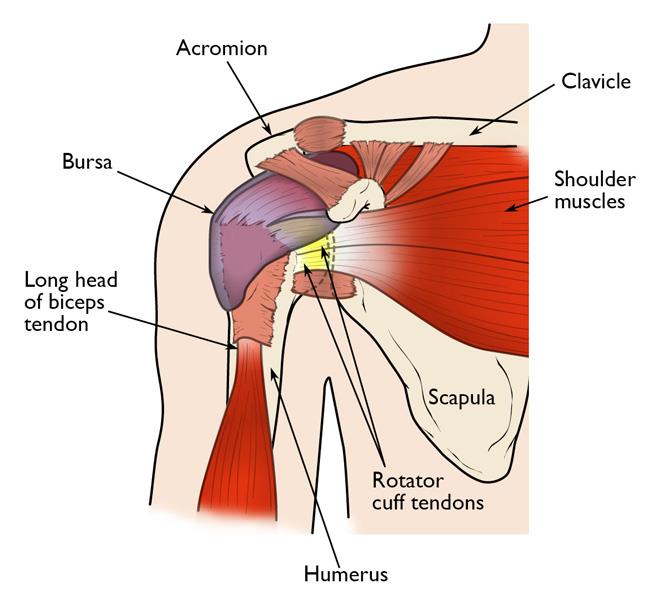
The shoulder is the most mobile joint in the entire human body, which is part of what makes it so susceptible to injury and strain. That incredible range of motion comes at a cost — the shoulder relies heavily on a complex system of muscles, tendons, ligaments, and joint structures working in harmony. When any one of those components is disrupted, pain and limited movement can follow.
Some of the most common causes of shoulder pain that Dr. Nandy Toro sees at Vertebre Chiropractic Studio include rotator cuff strains or tears, shoulder impingement syndrome, frozen shoulder (adhesive capsulitis), bursitis, and postural dysfunction. Many patients also experience shoulder pain that originates from the cervical spine — the bones and nerves in your neck — rather than the shoulder itself. This is sometimes called referred pain, and it’s more common than most people realize.
Repetitive motion injuries are another frequent culprit, particularly for those who work at desks, perform overhead activities, or engage in sports like swimming, tennis, or baseball. Poor ergonomics, prolonged sitting, and carrying heavy bags on one side can all contribute to muscle imbalances that gradually overload the shoulder joint over time.
How Chiropractors Evaluate Shoulder Pain
Before any treatment begins, a thorough evaluation is essential. At Vertebre Chiropractic Studio in Winter Garden, FL, Dr. Nandy Toro takes time to understand the full picture of what’s going on with each patient. That means asking detailed questions about when the pain started, what makes it better or worse, and how it affects daily activities.
A physical assessment typically includes range of motion testing, orthopedic and neurological tests specific to the shoulder, and a postural analysis. The chiropractor will observe how the shoulder blade moves, how the joint tracks during different arm positions, and whether there are any signs of muscular weakness or imbalance. Palpation — gently feeling the muscles, tendons, and joints — helps identify areas of tenderness, tightness, or restricted movement.
If there’s any reason to suspect a fracture, significant tissue tear, or another condition that requires imaging, a referral for X-rays or an MRI may be recommended. Chiropractic care works best when it’s part of a clear, accurate diagnosis. Dr. Nandy Toro’s priority is always to make sure patients receive the right care for their specific situation — whether that’s chiropractic treatment, co-management with another provider, or both.
Chiropractic Techniques Used to Treat Shoulder Pain
One of the questions patients ask most often is: “Will you actually adjust my shoulder?” The answer is — it depends. Chiropractic treatment for shoulder pain is far more multifaceted than a single adjustment. Here’s a look at the primary approaches that may be used.
Shoulder Joint Manipulation and Mobilization
When the shoulder joint has restricted movement due to stiffness or misalignment, a chiropractor may use gentle manipulation or mobilization techniques to restore normal range of motion. Manipulation involves a precise, controlled thrust to the joint, while mobilization uses slower, more gradual movements. Both approaches are aimed at reducing joint stiffness and improving functional movement. Research published in sources like the Journal of Manipulative and Physiological Therapeutics suggests that manual therapy to the shoulder can help improve mobility and reduce pain, particularly in cases of frozen shoulder and impingement.
Cervical and Thoracic Spine Adjustments
This is where many patients are surprised. Because the nerves that supply the shoulder and arm originate from the cervical spine in the neck, misalignments in the neck or upper back can directly contribute to shoulder symptoms. Adjusting the cervical and thoracic spine can take pressure off those nerve roots, which may relieve pain that felt like it was entirely in the shoulder all along. At Vertebre Chiropractic Studio, this connection between the spine and shoulder is always carefully evaluated.
Soft Tissue Therapy
The muscles and connective tissues surrounding the shoulder are just as important as the joint itself. Techniques like myofascial release, trigger point therapy, and instrument-assisted soft tissue mobilization help loosen tight muscles, break down adhesions, and improve circulation to the area. This can be especially helpful for rotator cuff strains, chronic tightness, and post-injury scar tissue.
Rehabilitative Exercises and Stretching
Chiropractic care doesn’t stop when you leave the office. Dr. Nandy Toro may prescribe specific corrective exercises and stretches to strengthen the rotator cuff, improve shoulder blade stability, and address any muscle imbalances contributing to the problem. These exercises are personalized and progress as the patient improves — they’re a crucial part of making lasting change rather than just temporary relief.
The Spine-Shoulder Connection You Might Not Know About
It’s easy to assume that shoulder pain means something is wrong only in the shoulder. But the human body doesn’t work in isolation — everything is connected through a network of nerves, muscles, and fascial tissue that spans the entire body. The cervical spine, specifically the nerve roots at levels C4 through C6, sends signals to the muscles and skin of the shoulder and upper arm. When these nerve pathways are irritated by a misalignment or disc issue in the neck, pain, tingling, weakness, or numbness can radiate into the shoulder.
Similarly, the thoracic spine — the mid-back — plays a significant role in how the shoulder blade moves. If the mid-back is stiff or restricted, the shoulder blade can’t glide smoothly during arm movements, which puts extra strain on the rotator cuff and surrounding structures. This is sometimes called scapular dyskinesis, and it’s a surprisingly common contributing factor to chronic shoulder problems.
This is one reason why chiropractors take a whole-body approach to shoulder pain. Treating only the shoulder without addressing what’s happening in the spine can lead to incomplete or short-lived results. At Vertebre Chiropractic Studio in Winter Garden, FL, Dr. Nandy Toro looks at the full kinetic chain to ensure nothing is overlooked.
How Chiropractic Care Fits Into Your Recovery
Chiropractic care is a non-surgical, drug-free form of conservative healthcare that is well-suited for many common causes of shoulder pain. It works best for conditions involving joint restriction, muscular imbalance, nerve irritation, and postural dysfunction. The American College of Physicians (ACP) and the World Health Organization (WHO) both recognize manual therapy as a valid conservative treatment option for musculoskeletal pain conditions.
At Vertebre Chiropractic Studio, care is individualized. There’s no one-size-fits-all protocol because every patient’s body, history, and goals are different. Some patients notice meaningful improvement after just a few visits, while others with more complex or long-standing conditions benefit from a longer course of care. Dr. Nandy Toro believes in setting realistic expectations, tracking progress, and adjusting the care plan based on how each patient is responding.
Chiropractic care can also complement other forms of treatment, including physical therapy, massage therapy, or medical management. In many cases, a collaborative approach produces the best outcomes for patients dealing with moderate to severe shoulder issues.
Practical Tips to Support Your Shoulder Health
While professional care is important, there are meaningful steps you can take on your own to support the health of your shoulder. These aren’t quick fixes, but consistent habits over time can make a real difference in how your shoulder feels and functions.
Pay attention to how you sleep. Sleeping on the affected shoulder puts direct compression on the joint for hours at a time. Try sleeping on your back or the opposite side with a supportive pillow to reduce strain overnight. This small change alone can noticeably reduce morning shoulder pain for many people.
Review your workstation setup. If you work at a desk, your monitor should be at eye level, your keyboard should keep your elbows at roughly a 90-degree angle, and your chair should support your lower back. A forward-hunched posture is one of the leading contributors to shoulder and neck strain in desk workers.
Be mindful of how you carry weight. Backpacks should be worn on both shoulders, not slung over one side repeatedly. Heavy bags carried on one shoulder create a postural imbalance that can overload the muscles on that side of your body over time. If you’re a Winter Garden, FL resident who’s active outdoors — hiking, playing pickleball, or gardening — taking regular movement breaks and warming up before activity can help prevent overuse injuries.

When to See a Chiropractor for Shoulder Pain
If your shoulder pain has persisted for more than a week or two, is limiting your daily activities, or keeps coming back despite rest, it’s a good sign that a professional evaluation is warranted. Many patients wait far too long to seek care, and by the time they do, the problem has had time to become more complex.
Chiropractic care is particularly well-suited when shoulder pain is accompanied by neck stiffness, upper back tightness, or a sensation of tightness between the shoulder blades. These patterns often suggest that spinal involvement is contributing to the shoulder symptoms.
There are, however, certain situations where chiropractic care alone may not be appropriate and where a medical referral is necessary. These red flags include severe, sudden onset pain following an accident or fall, significant swelling or visible deformity of the joint, complete loss of arm movement or strength, numbness or tingling running down the arm into the hand, and pain that is accompanied by chest tightness or shortness of breath (which may signal a cardiac issue and requires emergency care). Dr. Nandy Toro and the team at Vertebre Chiropractic Studio take patient safety seriously and will always refer out when needed.
Chiropractic vs. Other Common Approaches to Shoulder Pain
|
Approach |
Primary Method |
Invasive? |
Addresses Root Cause? |
Best For |
|---|---|---|---|---|
|
Chiropractic Care |
Joint adjustments, soft tissue therapy, rehab exercises |
No |
Yes — structural and muscular imbalances |
Joint restriction, nerve irritation, postural dysfunction |
|
Pain Medication |
Anti-inflammatories or analgesics |
No |
No — manages symptoms only |
Short-term pain relief |
|
Physical Therapy |
Exercise, stretching, modalities |
No |
Partially — focuses on strength and mobility |
Post-surgical rehab, strength deficits |
|
Cortisone Injections |
Steroid injection into joint |
Minimally |
No — reduces inflammation temporarily |
Acute bursitis, significant inflammation |
|
Surgery |
Rotator cuff repair, shoulder replacement |
Yes |
Yes — structural repair |
Severe tears, structural failure |
Myths vs. Facts About Chiropractic Care for Shoulder Pain
Myth: Chiropractors only work on the back and neck.
Fact: Chiropractors are trained to assess and treat musculoskeletal conditions throughout the entire body, including the shoulder, elbow, hip, and knee. Shoulder pain is one of the most common complaints seen in chiropractic offices, and specific techniques exist for evaluating and treating the shoulder joint and surrounding soft tissues.
Myth: If you have shoulder pain, you need an MRI before seeing a chiropractor.
Fact: In most cases, a thorough clinical evaluation is sufficient to guide initial conservative care. Imaging may be recommended if there are red flags or if the condition doesn’t respond as expected, but it’s not always necessary as a first step. A skilled chiropractor like Dr. Nandy Toro can identify when imaging is and isn’t warranted.
Myth: Chiropractic adjustments to the shoulder are painful.
Fact: Most patients find shoulder adjustments and mobilizations to be comfortable, or even relieving. Chiropractors use different levels of force and can modify techniques based on each patient’s comfort level, the acuity of the condition, and individual sensitivity. Communication between the patient and chiropractor is always encouraged.
Myth: Chiropractic care only provides temporary relief for shoulder pain.
Fact: When chiropractic care addresses the underlying structural and muscular contributors to shoulder pain — rather than just managing symptoms — improvements can be long-lasting. Rehabilitative exercises and lifestyle guidance are included to help patients maintain their results and prevent recurrence.
Myth: Surgery is inevitable for serious shoulder problems.
Fact: Many patients with significant shoulder conditions, including moderate rotator cuff injuries and frozen shoulder, respond well to conservative care. Evidence suggests that non-surgical approaches should typically be explored before pursuing surgery, except in cases of complete tears or acute structural damage.
Final Thoughts From Vertebre Chiropractic Studio
Shoulder pain is one of those things that people tend to push through — and for too long. The truth is, the sooner a musculoskeletal problem is addressed, the better the outcome tends to be. Chronic shoulder pain can become increasingly complex as the body compensates and develops secondary issues in the neck, upper back, and even the elbow or wrist over time.
At Vertebre Chiropractic Studio in Winter Garden, FL, Dr. Nandy Toro is passionate about helping patients understand what’s happening in their bodies and empowering them to take an active role in their recovery. Whether your shoulder pain came on suddenly after an injury or has been building slowly over months, there’s a good chance that a thoughtful, conservative approach can help restore your comfort and function.
You don’t have to live with shoulder pain, and you don’t have to jump straight to medication or surgery to find relief. If you’re in the Winter Garden area and you’ve been putting off getting your shoulder checked out, consider this your encouragement to take that first step. The team at Vertebre Chiropractic Studio is here to listen, evaluate, and guide you toward feeling better — one visit at a time.
Frequently Asked Questions
Can a chiropractor help with rotator cuff pain?
Yes, chiropractic care can be beneficial for many rotator cuff-related conditions, particularly strains and impingement. Treatment may include soft tissue therapy, shoulder mobilization, and corrective exercises to support the healing process. However, complete rotator cuff tears may require surgical evaluation.
How many chiropractic visits does it take to feel better from shoulder pain?
This varies depending on the cause and severity of the condition, as well as how long the problem has been present. Some patients notice improvement within a few visits, while others benefit from a longer course of care. Dr. Nandy Toro provides a personalized care plan with realistic expectations at the start of treatment.
Is it safe to get a chiropractic adjustment for shoulder pain?
For most people with common shoulder conditions, chiropractic care is considered safe and well-tolerated. A thorough evaluation is always performed before treatment begins to ensure the approach is appropriate for each individual patient’s condition.
Can poor posture cause shoulder pain?
Absolutely. Forward head posture and rounded shoulders are among the most common postural patterns that contribute to shoulder pain. These positions place chronic strain on the rotator cuff, upper trapezius, and surrounding muscles, and they can be effectively addressed through chiropractic care and targeted exercises.
What’s the difference between shoulder impingement and a rotator cuff tear?
Shoulder impingement occurs when the tendons of the rotator cuff become compressed or irritated during arm movements, while a rotator cuff tear involves actual damage to the tendon tissue. Impingement is often successfully managed with conservative care; tears vary in severity and may or may not require surgical intervention depending on the extent of the damage.
Does chiropractic care help with frozen shoulder?
Evidence suggests that manual therapy, including chiropractic joint mobilization and soft tissue techniques, can help improve range of motion and reduce pain in patients with frozen shoulder (adhesive capsulitis). Consistent care combined with home stretching exercises often produces the best outcomes for this condition.
TL;DR — Key Takeaways
-
Chiropractors treat shoulder pain using a combination of joint adjustments, soft tissue therapy, spinal manipulation, and rehabilitative exercises tailored to each patient’s specific condition.
-
The spine and shoulder are closely connected — neck and mid-back misalignments can directly contribute to shoulder pain, making a whole-body evaluation essential.
-
Common causes of shoulder pain treated chiropractically include rotator cuff strain, impingement, bursitis, frozen shoulder, and postural dysfunction.
-
Chiropractic care is a non-invasive, drug-free approach that is recommended as a first-line conservative option before considering more invasive interventions.
-
If you’re in Winter Garden, FL and dealing with shoulder pain, Dr. Nandy Toro at Vertebre Chiropractic Studio can help evaluate the root cause and develop a personalized plan to support your recovery.