
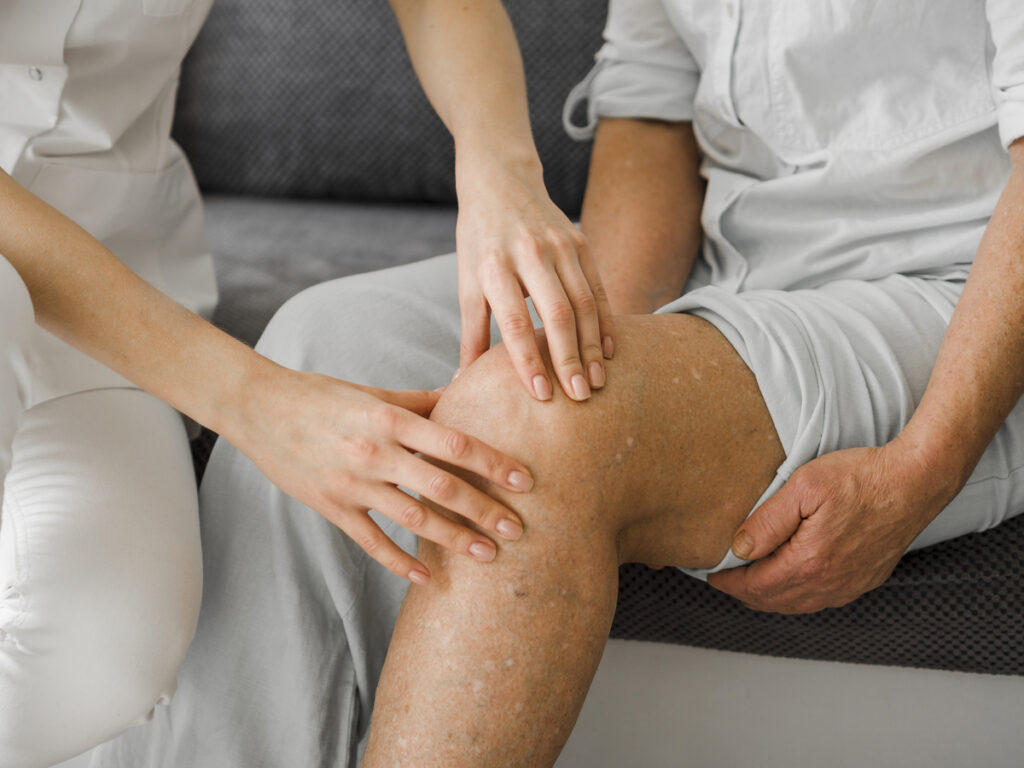

Knee pain has a way of creeping into everyday life and making even the simplest activities — walking to the mailbox, climbing a few stairs, or getting up from the couch — feel like a real challenge. Whether you’ve been dealing with a nagging ache for months or you woke up this morning and suddenly couldn’t bend your knee without wincing, you’re not alone. Knee pain is one of the most common musculoskeletal complaints we see here in Winter Garden, FL, and it affects people of all ages and activity levels. The good news? Understanding what’s happening in your knee is the first step toward feeling better — and there are safe, non-invasive ways to get meaningful relief.
What Is Knee Pain?
Knee pain refers to any discomfort, soreness, stiffness, or sharp sensation originating in or around the knee joint. It can stem from the bones, cartilage, ligaments, tendons, or muscles surrounding the knee. The causes range from acute injuries to gradual wear and tear, and identifying the root cause is essential to finding lasting relief.
What Makes Knees So Vulnerable?
The knee is the largest joint in the human body, and it does an enormous amount of work every single day. It bears the full weight of your body with each step, absorbs impact when you run or jump, and has to rotate slightly while still maintaining stability. That’s a tall order for any joint.
The knee connects the thighbone (femur) to the shinbone (tibia), with the kneecap (patella) sitting in front for protection. Holding it all together are four major ligaments — the ACL, PCL, MCL, and LCL — along with cartilage pads called the menisci, a bursa sac for cushioning, and a network of tendons and muscles. When any one of these components becomes stressed, injured, or inflamed, pain is usually the first signal your body sends.
Here in Winter Garden, we see a wide mix of knee pain patients — from weekend warriors who love cycling along the West Orange Trail to older adults dealing with years of joint wear, and even younger patients whose knee pain is actually rooted in how their hips or lower back are functioning. Because the knee sits between the hip and the foot, alignment and movement patterns throughout the entire lower body directly affect how much stress the knee absorbs.
Common Causes of Knee Pain & Injuries
There is no single cause of knee pain. It can be triggered by a sudden traumatic event, a repetitive movement pattern, or gradual changes in the joint that build over time. Understanding the specific source of your pain matters because it shapes the most appropriate treatment path.
Osteoarthritis is one of the most prevalent causes of knee pain, particularly in adults over 40. It develops when the protective cartilage inside the joint gradually breaks down, causing bones to grind against each other. This results in stiffness, swelling, and a deep aching sensation that often worsens with activity or after long periods of rest.
Patellofemoral Pain Syndrome — commonly called “runner’s knee” — occurs when the kneecap doesn’t track properly over the femur. This is frequently linked to muscle imbalances, weak hip stabilizers, or poor biomechanics. It’s especially common among runners, cyclists, and people who sit for long hours with their knees bent.
Meniscus tears happen when the cartilage pads between the femur and tibia are twisted or compressed beyond their limit. They can occur from a sudden twisting motion during sports or from repetitive squatting over many years. A torn meniscus often creates a sharp, localized pain and may cause the knee to feel like it “locks” or “gives way.”
Ligament injuries — such as an ACL or MCL sprain — are among the most talked-about knee injuries, especially in athletic populations. These typically result from direct impact, sudden directional changes, or hyperextension of the joint.
IT Band Syndrome is another common issue, particularly among runners and cyclists in Winter Garden, FL. The iliotibial band is a thick strip of connective tissue running from the hip down to the outer knee. When it becomes tight or inflamed, it creates a burning, stabbing pain on the outside of the knee.
Bursitis occurs when the small fluid-filled sacs cushioning the knee become irritated and inflamed, often from prolonged kneeling or repetitive pressure on the joint. And referred pain from the hip or lumbar spine can also manifest as knee discomfort — which is something that a thorough chiropractic evaluation is particularly well-suited to identify.
Recognizing the Symptoms of Knee Pain
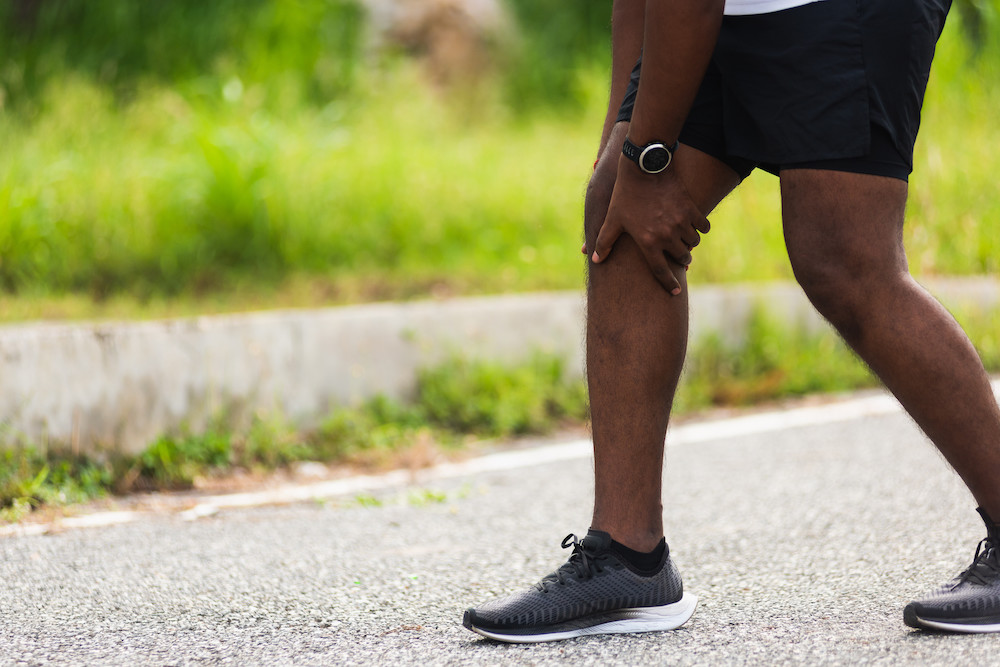
Knee pain symptoms can vary significantly depending on the underlying cause, and paying attention to the specific character of your pain can provide valuable clues for your care provider.
Sharp, stabbing pain that occurs with specific movements — like going down stairs or rising from a chair — often points to issues with the kneecap or meniscus. A deep, dull ache that’s worse in the morning and improves with light movement is more consistent with arthritis. Swelling, warmth, and redness around the joint suggest inflammation or bursitis. A popping or clicking sensation, while not always painful on its own, can signal a structural issue worth investigating.
Knee instability — that unsettling feeling that your knee might buckle — often points to ligament involvement. Stiffness after sitting for an extended period, difficulty fully straightening or bending the knee, and pain that radiates down the shin or up into the thigh are all symptoms that deserve professional attention.
One of the things Dr. Nandy Toro at Vertebre Chiropractic Studio emphasizes is that knee symptoms rarely exist in isolation. Often, there’s a biomechanical story unfolding across the entire lower kinetic chain — from the lumbar spine all the way down to the foot — and addressing only the knee itself misses the bigger picture.
How Chiropractic Care Fits Into Knee Pain Treatment
Many people are surprised to learn that chiropractic care can be highly relevant to knee pain — not just back pain. Chiropractors are musculoskeletal specialists trained to evaluate how the spine, pelvis, hips, knees, and feet function together as an integrated system. When one area is misaligned or moving poorly, other joints compensate, and the knee is often where that compensation shows up most painfully.
At Vertebre Chiropractic Studio in Winter Garden, FL, Dr. Nandy Toro takes a comprehensive approach to knee complaints. Rather than focusing only on the location of the pain, the evaluation includes a full assessment of posture, gait, hip and lumbar function, and foot alignment. This helps identify contributing factors that a purely local approach might miss entirely.
Chiropractic adjustments to the knee joint itself can help restore proper tracking and range of motion. But equally important are adjustments to the hip, sacroiliac joint, and lumbar spine — areas that directly influence how load is transferred through the knee. When the pelvis is tilted or the lumbar spine is restricted, one knee often absorbs more impact than the other, accelerating wear and aggravating pain.
Soft tissue therapies, rehabilitative movement guidance, and postural correction are also commonly integrated into care at Vertebre Chiropractic Studio. Evidence from conservative care literature, including guidance from organizations like the American Chiropractic Association, supports a whole-body, drug-free approach to musculoskeletal pain management that aims to restore function rather than simply mask symptoms.
Chiropractic care is not a cure for structural damage like a fully torn ligament or advanced arthritis, and Dr. Nandy Toro will always be transparent about what is within the scope of conservative care and when a referral to another specialist may be the right step. That honesty and collaborative approach is a cornerstone of how the team at Vertebre Chiropractic Studio serves the Winter Garden community.
Practical Tips for Managing Knee Pain at Home
While professional evaluation is important for persistent or severe knee pain, there are several sensible steps you can take at home to support your recovery and reduce day-to-day discomfort. These recommendations are general and should be adapted based on your specific condition — always check with your care provider if you’re unsure whether something is appropriate for you.
Movement is generally your friend, but the type and intensity matter. Low-impact activities like swimming, gentle walking on flat surfaces, or cycling with a properly adjusted seat height can keep the joint mobile without overloading it. Avoiding prolonged sitting with the knee fully bent — which compresses the kneecap against the femur — can reduce patellofemoral irritation significantly.
Strengthening the muscles around the knee is one of the most evidence-supported strategies for reducing knee pain over time. The quadriceps, hamstrings, glutes, and hip abductors all play a critical role in protecting the knee joint. Gentle, controlled exercises focused on these muscle groups — done without pain — can help stabilize the knee and reduce stress on the joint.
Pay attention to your footwear. Worn-out shoes or footwear lacking proper arch support can alter your gait mechanics in ways that funnel extra stress into the knee. If you spend a lot of time on your feet — especially on Florida’s hard concrete and tile surfaces — supportive, well-cushioned shoes make a meaningful difference.
Maintaining a healthy body weight is also worth mentioning, as research consistently shows that excess body weight places significantly increased mechanical load on the knee joint during daily activities. Even modest reductions in body weight can translate into meaningful reductions in knee stress over time.
When to See a Chiropractor for Knee Pain
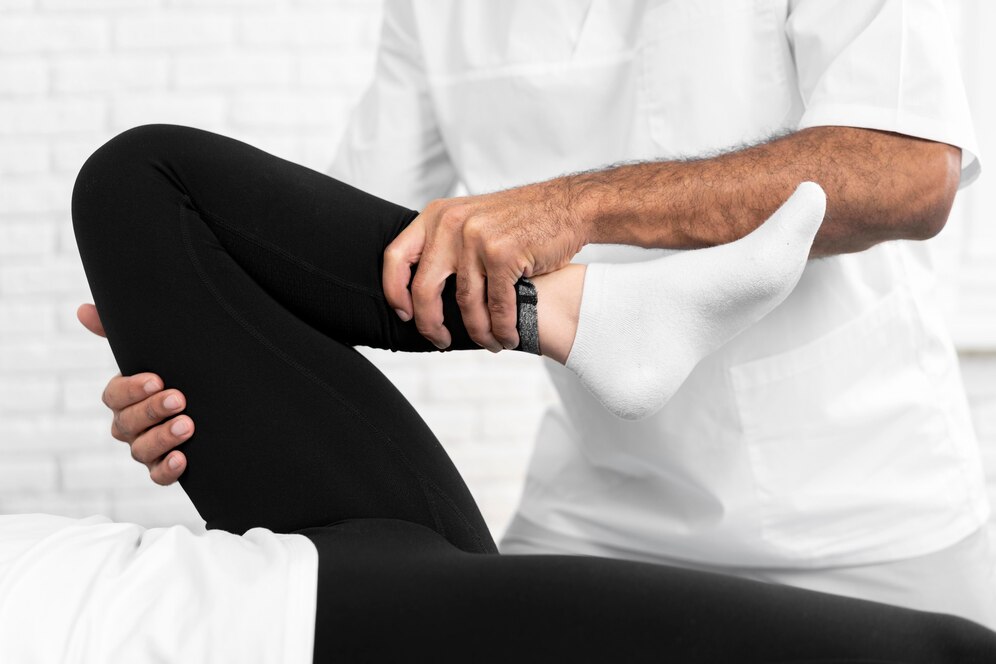
If your knee pain has persisted for more than a week or two without improvement, or if it’s affecting your ability to walk, sleep, or complete daily tasks, that’s a clear signal to seek a professional evaluation. You don’t have to wait until the pain is debilitating — in fact, earlier intervention often leads to faster and more complete recovery.
Patients in and around Winter Garden, FL are encouraged to come into Vertebre Chiropractic Studio when they notice pain that keeps returning after activity, stiffness that doesn’t resolve with gentle movement, or a sense that their knee “isn’t right” even if they can’t pinpoint why. These kinds of low-grade, nagging symptoms are exactly what chiropractic evaluation is designed to address.
There are, however, red flag symptoms that warrant urgent medical attention rather than a chiropractic visit. These include severe swelling that develops rapidly after an injury, significant deformity of the knee joint, inability to bear any weight on the leg, a fever accompanying joint swelling, or any signs that suggest a possible fracture or vascular injury. In these situations, the emergency room or an orthopedic specialist is the appropriate first step, and the team at Vertebre Chiropractic Studio will always direct you accordingly.
Knee Pain Causes vs. Common Triggers
|
Knee Pain Condition |
Common Triggers |
Typical Symptom Pattern |
|---|---|---|
|
Osteoarthritis |
Age-related wear, excess weight, prior injury |
Deep aching, morning stiffness, worsens with extended activity |
|
Patellofemoral Pain Syndrome |
Running, cycling, prolonged sitting, muscle imbalance |
Pain around or behind the kneecap, worse going down stairs |
|
Meniscus Tear |
Sudden twisting, heavy squatting, sports impact |
Sharp localized pain, locking, swelling, instability |
|
IT Band Syndrome |
Overtraining, hip weakness, running on uneven surfaces |
Burning pain on outer knee, worsens with repetitive activity |
|
Bursitis |
Prolonged kneeling, direct blows, repetitive pressure |
Swelling directly over the kneecap, tenderness to touch |
|
Referred Pain (Hip/Lumbar) |
Spinal misalignment, hip dysfunction, poor posture |
Diffuse knee ache with no clear local cause, often bilateral |
Myths vs. Facts About Knee Pain
Myth: Knee pain is just a normal part of getting older and nothing can be done about it.
Fact: While age-related changes in the knee joint are real, pain is not simply inevitable or untreatable. Many older adults experience significant improvement in knee function and comfort through conservative care, exercise, and proper biomechanical support. Age doesn’t mean you have to live in pain.
Myth: If you have knee pain, you should rest completely and avoid all movement.
Fact: Complete rest is rarely the best approach for knee pain. Movement — the right kind, at the right intensity — actually helps nourish the cartilage, reduce stiffness, and support healing. Guided, appropriate activity is almost always preferable to prolonged immobility.
Myth: Chiropractors only treat backs and necks — they can’t help with knee problems.
Fact: Chiropractors are trained to evaluate and address a wide range of musculoskeletal conditions, including knee pain. Because knee function is closely linked to hip, pelvic, and spinal alignment, chiropractic evaluation often uncovers contributing factors that other approaches overlook. Dr. Nandy Toro at Vertebre Chiropractic Studio regularly provides care for patients dealing with knee issues in Winter Garden, FL.
Myth: A popping or cracking knee always means something is seriously damaged.
Fact: Audible sounds from the knee — often called crepitus — are very common and are frequently harmless. They can result from gas being released from the joint fluid or soft tissues moving over bony prominences. However, if popping is accompanied by pain, swelling, or instability, it’s worth having evaluated.
Myth: Surgery is often the only real solution for knee pain.
Fact: The vast majority of knee pain cases respond well to conservative, non-surgical care. Evidence from major healthcare organizations, including guidelines from the American College of Physicians, supports trying conservative options first before considering surgical intervention for most non-traumatic knee conditions.
Final Thoughts From Vertebre Chiropractic Studio
Living with knee pain doesn’t have to be your new normal. Whether you’re an active person in Winter Garden who wants to get back to the activities you love, or someone simply looking to walk through the day without discomfort, there is real hope in understanding what’s driving your symptoms and addressing them thoughtfully.
At Vertebre Chiropractic Studio, Dr. Nandy Toro and the team are passionate about helping the Winter Garden, FL community move better, feel better, and understand their own bodies more deeply. Knee pain is rarely just a knee problem — and with a thorough evaluation and a personalized approach to care, many patients find the kind of lasting improvement they had started to believe wasn’t possible.
If you’ve been putting off getting your knee checked out, consider this your sign. Conservative, drug-free chiropractic care is a smart first step — and you deserve to feel confident and comfortable in every step you take.
Frequently Asked Questions About Knee Pain
Can chiropractic care actually help with knee pain?
Yes, chiropractic care can be a valuable part of managing knee pain — especially when the pain is related to biomechanical imbalances in the hip, pelvis, or spine. At Vertebre Chiropractic Studio, knee pain evaluations consider the entire lower kinetic chain, not just the knee itself. Many patients find significant relief through a combination of joint adjustments, soft tissue work, and movement guidance.
How long does it take to recover from knee pain with conservative care?
Recovery timelines vary depending on the cause, severity, and duration of the pain. Some patients notice improvement within a few visits, while others with more complex or long-standing issues may benefit from a longer course of care. Dr. Nandy Toro will provide you with a realistic expectation based on your specific assessment findings.
Is it safe to exercise with knee pain?
In most cases, gentle, low-impact movement is not only safe but beneficial. However, the appropriateness of specific exercises depends entirely on the cause and severity of your condition. Always consult with a qualified care provider before starting or continuing an exercise routine when you’re experiencing knee pain.
Could my knee pain actually be coming from my back?
Absolutely — this is more common than most people realize. Nerve irritation in the lumbar spine can refer pain into the knee, and hip or pelvic dysfunction can alter the way load is distributed through the knee joint. This is one of the key reasons a full-body evaluation at Vertebre Chiropractic Studio in Winter Garden is so important.
When should I go to the emergency room instead of a chiropractor for knee pain?
Seek emergency care if you experience severe swelling after a sudden injury, visible deformity, complete inability to bear weight, signs of infection (fever, severe warmth, redness), or any symptoms suggesting a possible fracture. For most other types of knee pain, a chiropractic evaluation is an appropriate and conservative starting point.
Does knee pain always require an MRI or X-ray?
Not always. Many knee conditions can be accurately assessed through a thorough physical examination and a detailed patient history. Imaging may be recommended when there is suspicion of a fracture, significant structural damage, or when symptoms are not responding as expected to conservative care. Your care provider will determine when imaging is clinically appropriate.
TL;DR — Key Takeaways
-
Knee pain is one of the most common musculoskeletal issues affecting people of all ages in Winter Garden, FL, and it can stem from a wide variety of causes including arthritis, meniscus problems, ligament injuries, and biomechanical imbalances.
-
Because the knee sits between the hip and the foot, problems in the spine, pelvis, or hips can directly contribute to knee pain — making a full-body evaluation essential.
-
Chiropractic care at Vertebre Chiropractic Studio offers a drug-free, non-invasive approach to knee pain that addresses root causes rather than just symptoms.
-
Most knee pain responds well to conservative care, and surgery is rarely the first or only option for non-traumatic knee conditions.
-
If your knee pain has lasted more than a couple of weeks, is affecting your daily activities, or keeps coming back after activity, it’s time to schedule an evaluation with Dr. Nandy Toro at Vertebre Chiropractic Studio in Winter Garden.