


If you find yourself asking “Why do I keep getting headaches?” you’re not alone. Headaches are one of the most common complaints we hear from patients here in Winter Garden, FL, and they can range from mild annoyances to debilitating episodes that disrupt your entire day. While most people reach for over-the-counter pain relievers, these only mask the symptoms without addressing the underlying cause. The truth is, many chronic headaches stem from issues that most people—and even some healthcare providers—completely overlook. Understanding what’s really behind your recurring headaches is the first step toward finding lasting relief and improving your quality of life.
What Are Chronic Headaches? Chronic or recurring headaches are headaches that happen frequently—typically 15 or more days per month for at least three months. They can include tension-type headaches, cervicogenic headaches (originating from the neck), and migraines. Unlike occasional headaches triggered by dehydration or lack of sleep, chronic headaches often have multiple contributing factors that need to be identified and addressed for effective, long-term relief.
Table of Contents
- Hidden Culprits Behind Your Recurring Headaches
- The Neck Connection Most People Ignore
- Common Lifestyle Triggers You Might Be Missing
- How Chiropractic Care Addresses Headache Causes
- Practical Tips to Reduce Headache Frequency
- When to Seek Professional Care
- Headache Types Comparison
- Myths vs. Facts About Headaches
- Final Thoughts
- Frequently Asked Questions
- TL;DR – Quick Takeaways
Hidden Culprits Behind Your Recurring Headaches
When patients come to Vertebre Chiropractic Studio asking why they keep getting headaches, they often expect the answer to be simple—stress, caffeine, or perhaps sinus issues. While these can certainly play a role, the reality is usually more complex. Many chronic headache sufferers have multiple contributing factors working together, creating a perfect storm of pain that keeps coming back.
One of the most overlooked causes is poor posture, particularly forward head posture. For every inch your head moves forward from its neutral position, it adds approximately 10 pounds of extra force on your neck muscles. Over time, this constant strain creates trigger points and muscle tension that refer pain directly to your head. If you spend hours hunched over a computer, looking down at your phone, or driving with your seat positioned incorrectly, you’re likely creating the conditions for chronic headaches without even realizing it.
Jaw dysfunction, known as temporomandibular joint disorder (TMJ), is another frequently missed contributor. The muscles that control your jaw are intimately connected with the muscles in your neck and temples. Clenching your jaw during stress, grinding your teeth at night, or even chewing gum excessively can create muscle imbalances that trigger headaches. Many people have no idea they’re clenching until they start paying attention to it throughout the day.
Dehydration deserves more attention than it typically receives. Your brain tissue is roughly 75% water, and even mild dehydration can cause the brain to temporarily contract, pulling away from the skull and triggering pain receptors. Here in Winter Garden, where the Florida heat and humidity can be intense, dehydration is more common than many people realize, especially if you’re active outdoors or work in environments without adequate climate control.
Sleep quality and position matter tremendously. Sleeping on your stomach forces your neck into prolonged rotation, while pillows that are too high or too flat can strain the cervical spine throughout the night. Poor sleep also disrupts your body’s natural pain-regulating systems, lowering your threshold for headache triggers and making you more susceptible to pain the following day.
The Neck Connection Most People Ignore
The relationship between neck problems and headaches is so strong that there’s an entire category of headaches named for it: cervicogenic headaches. These headaches originate from dysfunction in the cervical spine—the bones, joints, muscles, and nerves of your neck—and they’re far more common than most people realize. Research suggests that cervicogenic headaches may account for up to 20% of all chronic headache cases, yet they’re frequently misdiagnosed or overlooked entirely.
Your upper cervical spine, particularly the top three vertebrae, has a direct neurological connection to pain-sensitive structures in your head. When these vertebrae become misaligned or restricted in their movement—something chiropractors call subluxation—they can irritate the surrounding nerves and create referred pain patterns that you feel as a headache. This is why addressing the underlying spinal dysfunction, rather than just managing symptoms, is so crucial for long-term relief.
Dr. Nandy Toro often explains to patients at Vertebre Chiropractic Studio that the muscles in your neck don’t work in isolation. When certain muscles become tight or overworked due to poor posture or spinal misalignment, other muscles become weak and underactive. This creates an imbalance that perpetuates the problem. The suboccipital muscles—a group of small muscles at the base of your skull—are particularly prone to developing trigger points that refer pain to the forehead, temples, and behind the eyes.
Nerve compression in the cervical spine can also contribute to headaches. The greater occipital nerve, which runs from the upper neck over the back of the head, can become compressed or irritated by tight muscles, inflamed joints, or spinal misalignment. When this happens, you may experience pain that starts at the base of your skull and radiates forward, sometimes accompanied by tenderness when you press on the back of your head.
What makes neck-related headaches particularly frustrating is that the neck pain itself may be mild or even absent. You might feel the headache intensely but barely notice any neck discomfort, which is why many people never make the connection. This is where a thorough evaluation by a chiropractor becomes invaluable—identifying movement restrictions, muscle imbalances, and spinal alignment issues that you might not be aware of but that are directly contributing to your headaches.
Common Lifestyle Triggers You Might Be Missing
Beyond structural issues in the spine and muscles, several lifestyle factors can trigger or worsen chronic headaches, and many of these fly completely under the radar for most sufferers. Identifying and modifying these triggers can significantly reduce headache frequency and intensity, often in combination with chiropractic care.
Screen time and digital eye strain have become major headache triggers in our technology-driven world. When you focus on a screen for extended periods, several things happen: you blink less (causing dry eyes), you hold static postures (creating muscle tension), and you expose yourself to blue light that can disrupt your circadian rhythm. The combination of visual strain and postural stress creates a recipe for tension headaches that many people attribute to other causes.
Inconsistent meal timing and blood sugar fluctuations can trigger headaches in susceptible individuals. When you skip meals or go too long between eating, your blood sugar drops, causing your blood vessels to constrict and then dilate as your body tries to compensate. This vascular response can trigger headaches. Similarly, consuming too much sugar or refined carbohydrates causes rapid spikes and crashes in blood sugar that some people experience as headaches.
Weather changes affect more headache sufferers than you might think. Barometric pressure fluctuations, humidity changes, and temperature swings can all trigger headaches in sensitive individuals. While you can’t control the weather here in Winter Garden, understanding this trigger helps you anticipate and prepare for headaches during certain weather patterns, rather than being caught off guard.
Medication overuse is an ironic but very real cause of chronic headaches. When you take pain relievers—even over-the-counter medications like ibuprofen or acetaminophen—more than two or three days per week for several weeks, your body can develop rebound headaches. These medication-overuse headaches occur as the medication wears off, creating a vicious cycle where you need more medication to treat the headaches the medication is causing.
Environmental factors in your workspace or home can also contribute. Poor lighting that causes you to squint or strain your eyes, strong odors from cleaning products or fragrances, excessive noise that creates stress, or inadequate ventilation can all act as headache triggers. Because you’re exposed to these factors daily, they can contribute to chronic headaches without you recognizing the pattern.
How Chiropractic Care Addresses Headache Causes
Chiropractic care takes a fundamentally different approach to headaches than conventional medicine. Rather than focusing solely on symptom relief, chiropractors work to identify and correct the underlying mechanical and neurological dysfunctions that contribute to headache development. This approach aligns well with the growing body of evidence supporting conservative, non-pharmaceutical interventions for chronic headaches.
At Vertebre Chiropractic Studio, Dr. Nandy Toro begins with a comprehensive evaluation that includes your health history, headache patterns, postural assessment, and examination of your cervical spine mobility and alignment. This thorough evaluation helps identify specific areas of dysfunction that may be contributing to your headaches—whether that’s restricted joint motion in your upper neck, muscle imbalances, postural deviations, or combinations of these factors.
Spinal adjustments, the cornerstone of chiropractic care, work to restore proper alignment and movement to vertebrae that have become restricted or misaligned. When applied to the cervical spine, these precise, controlled movements help reduce nerve irritation, improve joint function, and decrease muscle tension. Research published in journals such as Spine and the Journal of Manipulative and Physiological Therapeutics has shown that chiropractic spinal manipulation can be effective for both tension-type headaches and cervicogenic headaches.
Beyond adjustments, chiropractic care for headaches often includes soft tissue techniques to address muscle tension and trigger points. Methods such as myofascial release, trigger point therapy, and instrument-assisted soft tissue mobilization help relax tight muscles, improve blood flow, and reduce the muscle-based referred pain that contributes to many headaches. These techniques complement spinal adjustments by addressing the muscular component of headache disorders.
An important aspect of chiropractic headache care is patient education and lifestyle modification guidance. Dr. Nandy Toro works with patients to identify their specific triggers and develop strategies to minimize them. This might include ergonomic recommendations for workstations, guidance on proper sleeping positions and pillow selection, stress management techniques, hydration strategies, and exercises to improve posture and strengthen supporting muscles.
The goal of chiropractic care isn’t just to provide temporary relief but to help your body function better so that headaches become less frequent and less severe over time. Many patients find that as their spinal function improves and they implement lifestyle modifications, they need less intervention over time and experience longer periods between headache episodes.

Practical Tips to Reduce Headache Frequency
While professional care is important for addressing underlying causes, there are several practical steps you can take daily to reduce your headache frequency. These strategies work best when combined with appropriate chiropractic care and can help you take an active role in managing your condition.
Optimize your workspace ergonomics to reduce postural stress throughout the day. Your computer monitor should be at eye level, about an arm’s length away, so you’re not looking down or craning your neck forward. Your chair should support the natural curve of your lower back, and your feet should rest flat on the floor or on a footrest. Take regular breaks every 30 minutes to stand, stretch, and move around, which helps prevent the static muscle tension that contributes to headaches.
Practice the 20-20-20 rule for digital eye strain. Every 20 minutes, look at something 20 feet away for at least 20 seconds. This simple habit gives your eye muscles a break from constant close-focus work and can significantly reduce the eye strain and associated tension that triggers headaches. Additionally, consider adjusting your screen brightness to match your environment and using blue light filters, especially in the evening.
Stay consistently hydrated throughout the day. A good rule of thumb is to drink half your body weight in ounces of water daily—more if you’re exercising or spending time outdoors in the Florida heat. Don’t wait until you’re thirsty to drink, as thirst is already a sign of mild dehydration. Keep a water bottle at your desk and set reminders if needed to maintain consistent hydration.
Establish a consistent sleep schedule and optimize your sleep environment. Go to bed and wake up at the same time each day, even on weekends, to regulate your body’s natural rhythms. Choose a pillow that maintains the natural curve of your neck—typically, back sleepers need a thinner pillow while side sleepers need more support. Avoid sleeping on your stomach, as this position forces your neck into sustained rotation that can trigger morning headaches.
Incorporate gentle neck stretches and mobility exercises into your daily routine. Simple movements like chin tucks, gentle neck rotations, and shoulder blade squeezes can help maintain neck mobility and reduce muscle tension. However, avoid aggressive stretching or movements that cause pain. If you’re unsure about appropriate exercises for your situation, ask Dr. Nandy Toro for specific recommendations tailored to your needs.
Keep a headache diary to identify your personal triggers. Record when headaches occur, their intensity, what you were doing before they started, what you ate, how you slept, stress levels, and anything else that might be relevant. Over time, patterns often emerge that help you identify and avoid specific triggers. This information is also valuable to share with your chiropractor to inform your treatment plan.
Manage stress through regular relaxation practices. Chronic stress keeps your muscles in a constant state of tension and can lower your threshold for other headache triggers. Techniques like deep breathing exercises, progressive muscle relaxation, gentle yoga, or even short walks can help reduce overall tension. Find what works for you and make it a regular part of your routine rather than waiting until you’re overwhelmed.
When to Seek Professional Care
While occasional headaches are normal, certain patterns and characteristics suggest that professional evaluation is warranted. Understanding when to seek care can help you address problems before they become chronic and ensure that serious conditions aren’t overlooked.
Seek chiropractic evaluation if your headaches are becoming more frequent, lasting longer, or increasing in intensity over time. Progressive worsening suggests an underlying problem that needs to be addressed rather than simply managed with medication. Similarly, if you find yourself taking pain medication more than two days per week on a regular basis, it’s time to explore the root causes of your headaches rather than continuing to mask symptoms.
Headaches that consistently occur in specific situations—such as every afternoon at work, after certain activities, or upon waking in the morning—suggest identifiable triggers that can often be addressed through postural corrections, ergonomic modifications, or spinal care. These patterns indicate that your headaches have mechanical components that respond well to conservative chiropractic approaches.
If your headaches are accompanied by neck pain, stiffness, or reduced range of motion, this strongly suggests a cervicogenic component that chiropractic care is well-suited to address. Even if the neck symptoms are mild compared to the headache itself, this connection indicates that spinal dysfunction is likely contributing to your pain.
However, certain symptoms warrant immediate medical attention rather than chiropractic care. Seek emergency medical evaluation if you experience a sudden, severe headache unlike any you’ve had before (often described as a “thunderclap” headache), headaches accompanied by fever, confusion, vision changes, difficulty speaking, numbness, or weakness, or headaches following a head injury. These red flags can indicate serious conditions that require immediate medical diagnosis and treatment.
Additionally, if you’re over 50 and experiencing new or different headaches, if your headaches are accompanied by unexplained weight loss, or if you have a history of cancer or immune system disorders, medical evaluation should be your first step to rule out serious underlying conditions before pursuing conservative care.
For headaches that don’t fall into these emergency categories but are affecting your quality of life, scheduling a consultation at Vertebre Chiropractic Studio in Winter Garden is an excellent starting point. Dr. Nandy Toro can perform a thorough evaluation to determine whether chiropractic care is appropriate for your situation or whether referral to another healthcare provider is warranted.
Headache Types Comparison
| Headache Type | Common Location | Typical Triggers | Distinguishing Features |
|---|---|---|---|
| Tension-Type | Band-like pressure around entire head | Stress, poor posture, eye strain | Bilateral, pressing or tightening quality, mild to moderate intensity |
| Cervicogenic | Back of head radiating forward, often one-sided | Neck movements, sustained postures | Reduced neck range of motion, tenderness in neck muscles, triggered by neck positions |
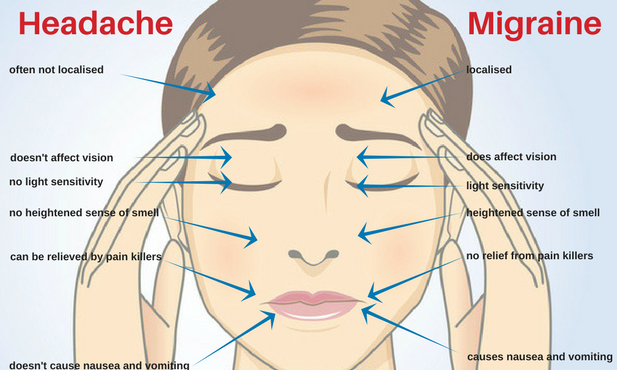
| Migraine | One-sided (typically), can be bilateral | Hormones, foods, sensory stimuli, weather | Throbbing quality, moderate to severe, nausea, light/sound sensitivity, can include aura |
| Cluster | Around or behind one eye | Alcohol, strong odors, pattern-based timing | Severe intensity, restlessness, eye watering/redness, occurs in clusters over weeks/months |
Myths vs. Facts About Headaches
Myth: All Headaches Are the Same and Should Be Treated With Pain Medication
Fact: Headaches have many different causes, from muscle tension and spinal dysfunction to vascular issues and neurological conditions. While medication can provide temporary symptom relief, it doesn’t address underlying causes like postural problems, spinal misalignment, or muscle imbalances. Identifying the type and cause of your headaches allows for more targeted, effective treatment that addresses the root problem rather than just masking symptoms.
Myth: If You Don’t Have Neck Pain, Your Headaches Can’t Be Coming From Your Neck
Fact: Cervicogenic headaches originating from the neck frequently present with little to no noticeable neck pain. The pain is referred to the head through complex neurological pathways, so you may feel the headache intensely while being completely unaware of the spinal dysfunction causing it. This is why a thorough examination of cervical spine function is important even when neck pain isn’t your primary complaint.
Myth: Chiropractic Care Is Only for Back Pain, Not Headaches
Fact: Research supports the effectiveness of chiropractic care for various types of headaches, particularly tension-type and cervicogenic headaches. The American College of Physicians and other organizations recognize manual therapy as an evidence-based treatment option for certain headache types. Chiropractic care addresses mechanical and neurological factors that contribute to many headaches, making it a logical conservative treatment approach.
Myth: You Just Have to Live With Chronic Headaches
Fact: While some headache conditions are chronic, this doesn’t mean they can’t be managed or significantly improved. Many people with frequent headaches see substantial improvement when underlying contributors like spinal dysfunction, poor posture, muscle tension, and lifestyle triggers are identified and addressed. The goal isn’t necessarily complete elimination of all headaches but reducing their frequency, intensity, and impact on your life.
Myth: Headaches Are Just a Normal Part of Stress and Modern Life
Fact: While stress is common and can trigger headaches, frequent or chronic headaches are not normal and suggest underlying issues that need attention. Your body is designed to handle normal stress without constant pain. If you’re regularly experiencing headaches, it indicates that something—whether biomechanical, neurological, or lifestyle-related—needs to be addressed rather than accepted as inevitable.
Final Thoughts
Understanding why you keep getting headaches is the first step toward finding relief that lasts. While it’s easy to reach for medication when a headache strikes, this approach doesn’t address the underlying causes that keep bringing the pain back. Whether your headaches stem from spinal misalignment, postural stress, muscle tension, lifestyle triggers, or a combination of factors, identifying and addressing these root causes offers the best path to reducing headache frequency and improving your quality of life.
Here at Vertebre Chiropractic Studio in Winter Garden, Florida, Dr. Nandy Toro works with headache patients every day, helping them understand the often-overlooked connections between spinal health, posture, lifestyle factors, and chronic head pain. If you’re tired of wondering why your headaches keep coming back and ready to explore a conservative, drug-free approach to addressing the underlying causes, we’re here to help. The Winter Garden community deserves to live without constant headache pain, and we’re committed to providing the education, care, and support needed to make that possible.
Remember, chronic headaches aren’t something you simply have to endure. With proper evaluation, targeted care, and lifestyle modifications, many people find significant relief and regain control over their lives. You deserve to feel your best, and understanding what’s really behind your headaches is the foundation for getting there.
Frequently Asked Questions
Can chiropractic adjustments really help with headaches?
Yes, research indicates that chiropractic spinal manipulation can be effective for tension-type headaches and cervicogenic headaches originating from the neck. By addressing spinal misalignment, restricted joint movement, and associated muscle tension, chiropractic care targets mechanical factors that contribute to many chronic headaches.
How long does it take to see improvement in headache frequency with chiropractic care?
The timeline varies depending on how long you’ve had headaches, their underlying causes, and contributing lifestyle factors. Some patients notice improvement within a few visits, while others with chronic, longstanding headaches may need several weeks of consistent care combined with lifestyle modifications to see significant changes.
Are there certain sleeping positions that can prevent headaches?
Sleeping on your back or side with proper pillow support is generally best for preventing neck-related headaches. Avoid stomach sleeping, which forces your neck into sustained rotation. Your pillow should maintain your neck’s natural curve—not too high or too flat—and your spine should remain aligned throughout the night.
Should I be worried if I get headaches every day?
Daily headaches warrant professional evaluation to identify underlying causes and rule out serious conditions. While often related to manageable factors like muscle tension, poor posture, or medication overuse, daily headaches significantly impact quality of life and deserve proper assessment and treatment rather than simply managing with pain medication.
Can dehydration really cause chronic headaches?
Yes, chronic mild dehydration is a commonly overlooked contributor to recurring headaches. Your brain tissue requires adequate hydration to function properly, and even mild dehydration can trigger headache pain. Maintaining consistent hydration throughout the day is a simple but effective strategy that many headache sufferers overlook.
What’s the difference between a migraine and a regular headache?
Migraines typically involve moderate to severe throbbing pain (often one-sided), sensitivity to light and sound, and sometimes nausea or visual disturbances called aura. Tension-type headaches usually cause bilateral pressing or tightening pain without the associated symptoms. Proper diagnosis helps determine the most appropriate treatment approach for your specific headache type.
TL;DR – Quick Takeaways
- Many chronic headaches stem from overlooked causes like neck dysfunction, poor posture, jaw clenching, dehydration, and improper sleep positions rather than just stress
- Cervicogenic headaches originating from the neck are extremely common but often go undiagnosed because neck pain may be minimal or absent
- Chiropractic care addresses the mechanical and neurological dysfunctions underlying many headaches through spinal adjustments, soft tissue work, and lifestyle guidance
- Simple lifestyle modifications—improving ergonomics, staying hydrated, optimizing sleep, managing screen time, and maintaining consistent routines—can significantly reduce headache frequency
- Seek professional evaluation if headaches are increasing in frequency or severity, require regular medication, or significantly impact your quality of life